Anticipated Design
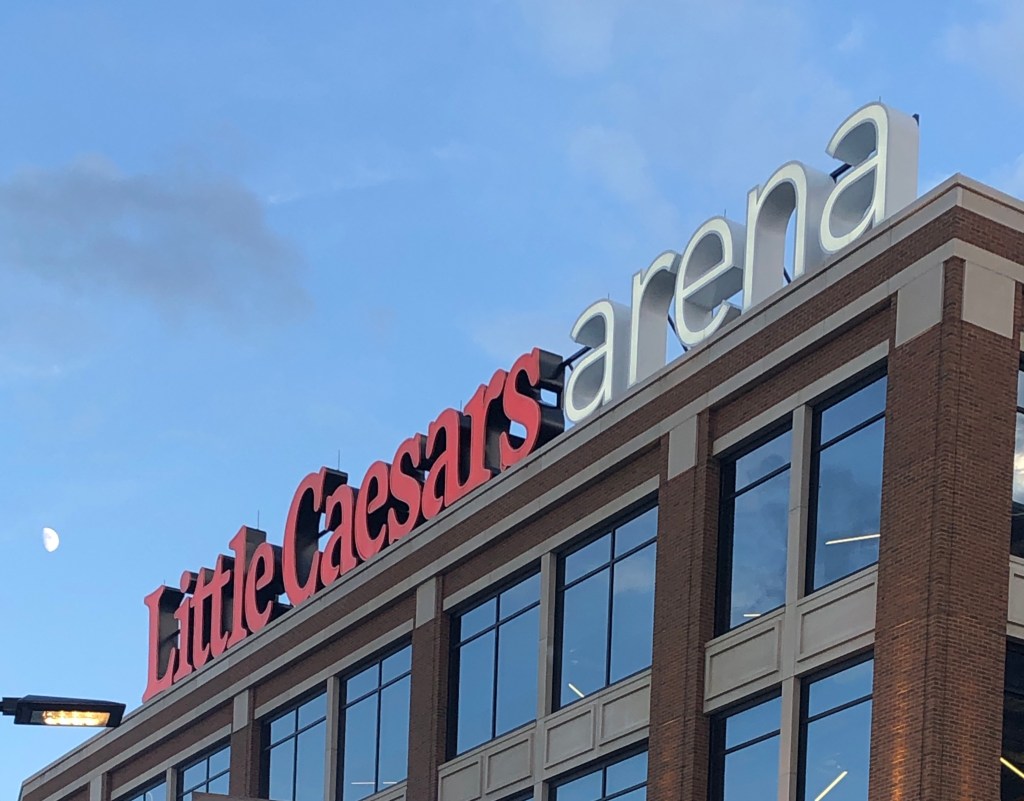
Even back when the world was open, I didn’t typically find myself in stadiums very often. I even less often purchase anything while I am there because I don’t typically want to spend $5.25 on a bottle of water. However, last year I went to the new Little Caesars Arena in Detroit for a concert and forgot to bring an empty water bottle to fill. So, tail between my legs, I went up to purchase a new bottle of water. I begrudgingly handed over my card to purchase the bottle of liquid gold. As she placed the bottle on the counter I watched in surprise as she began to unscrew the cap from the top, throw it away and then hand me the exposed bottle. In my head I thought, “What the heck am I supposed to do with this? I gave you how much money and you can’t even give me my cap?” But I just said “thank you” and went back to join my group. Of course, a group of six ladies is going to need to use the bathroom before heading to our seats and I started to realize my error of getting this drink before going to the bathroom. I began to strategize a plan of what to do with this exposed bottle in my hand. As I stood in line, I thought, Should I put it on the floor? Maybe on the back of the toilet or on top of the toilet paper rack? I was still debating what option was best as I walked into the first available stall.
I closed the door and started to look around for a safe spot to put my exposed bottle. I looked straight ahead and there above the toilet, embedded into the wall, was a little built-in shelf. It was too narrow to fit a purse or a bag and its tall frame seemed to have only one purpose. It was just right for a capless water bottle. Instantly, and with no hesitation, I quickly slid the open bottle into the little cubby that was so carefully designed and constructed, just waiting to snugly secure that for which it was made.
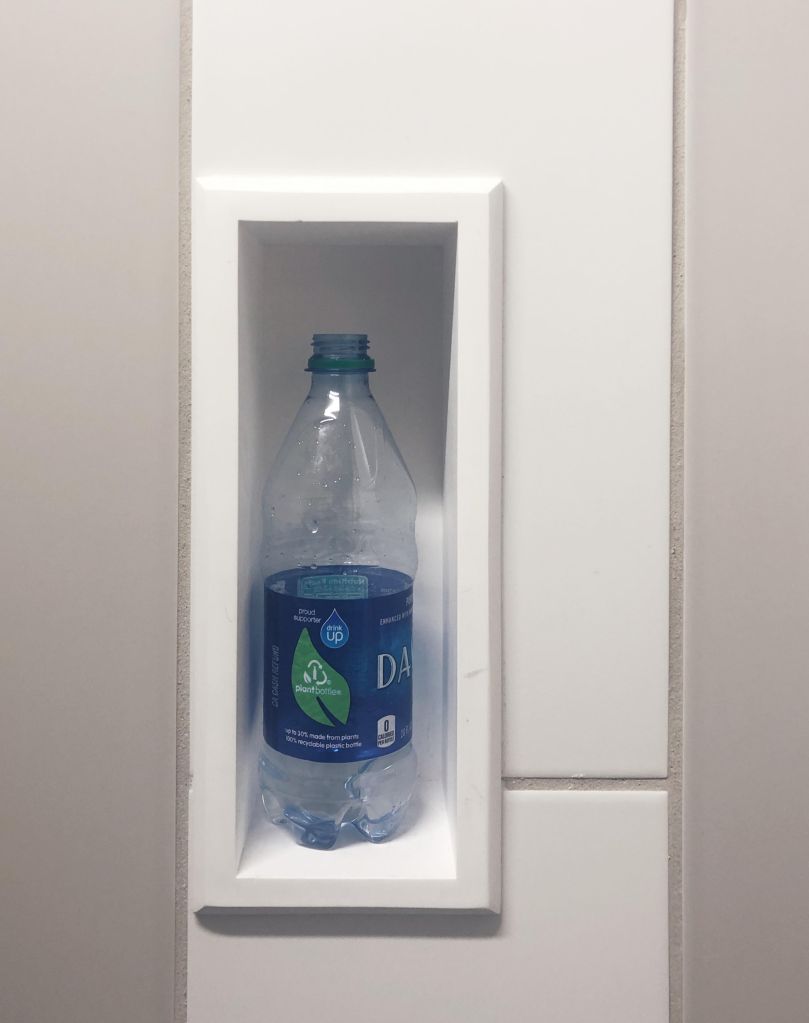
I couldn’t help but laugh to myself as we made our way to our seats to enjoy the show. Why did this design make me so relieved? My first response was, “that is good design”. The designer anticipated a need and created a space for that need. Every aspect of going to an arena is part of an overall experience. Providing solutions for even the smallest of needs is a part of making that experience successful, one that people will enjoy from the moment they enter the building to the moment they leave. My second reaction was more subtle and took longer to set in. “This design element adjusted my thoughts and taught me to accept a constraint”. I went into the bathroom frustrated because, as extreme as it sounds, something as little as not having the cap to my water bottle felt like a freedom was taken away from me. However, thanks to a carefully designed little shelf, I left the bathroom content with the compromise.
Of course, my few previous experiences at stadiums were not all tainted by someone taking away my bottle cap, but this particular experience reminded me of a unique benefit of design: designing for a purpose or need that the user may not even know of until they are presented with it. For whatever reason, bottle caps could not be given to the visitors, and the designer anticipated that void. Good design is designed with a purpose. If a design works well, it is typically because someone carefully thought out both the user and the use and knew the reason a design should exist in the first place. Because this experience was carefully curated for a very specific need, in some ways, it felt as though it was waiting there just for me. So, the next time I go to LCA and forget to bring my own bottle, I will go in knowing I don’t get to keep my cap, but at least they made me a shelf.
 THE DESIGNED MIND